Manufacturing has changed dramatically over the past decade. Automation, advanced technology, and increasingly complex equipment have raised the bar for technical knowledge across nearly every role. It’s understandable why many employers focus heavily on finding candidates who already possess every required skill.
But despite all the advances in manufacturing, one hiring philosophy continues to prove its value:
Hire for attitude. Train for skill.
That’s not to say technical abilities don’t matter. They absolutely do. But when companies place equal, or even greater, emphasis on work ethic, dependability, communication, and a willingness to learn, they often build stronger teams that stay together longer.
Skills Can Be Taught. Character Is Much Harder to Develop.

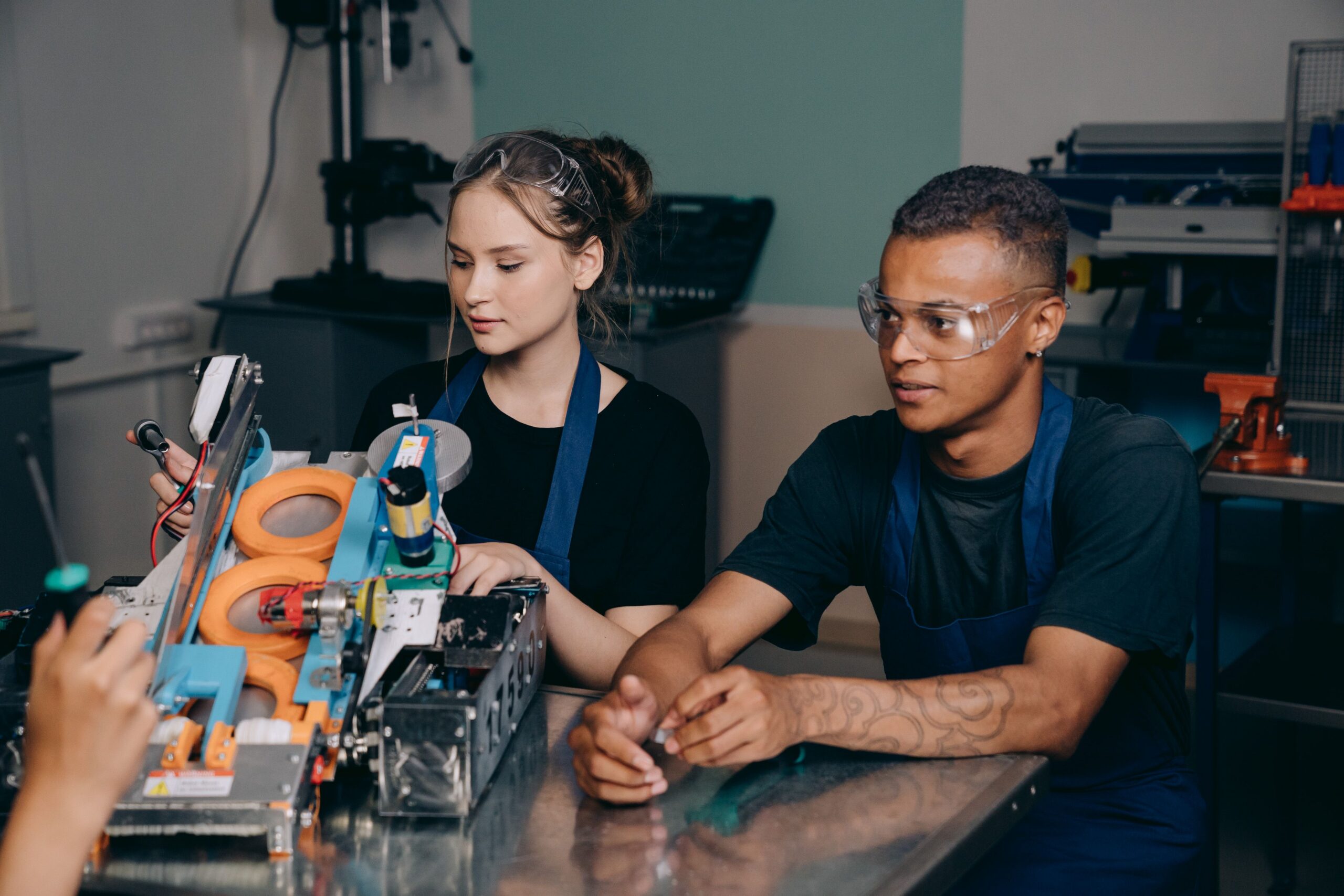
Many technical skills can be learned through onboarding, mentorship, and hands-on experience. Companies invest in new equipment every year, and employees regularly learn new software, machines, and production processes. What can’t be taught as easily is showing up every day with a positive attitude, taking pride in quality work, communicating with teammates, or stepping up when challenges arise.
The employees who consistently succeed are often the ones who ask questions, take ownership of their work, and genuinely want to improve. Those qualities create long-term value that extends well beyond a single job description.
Manufacturing Is Constantly Evolving
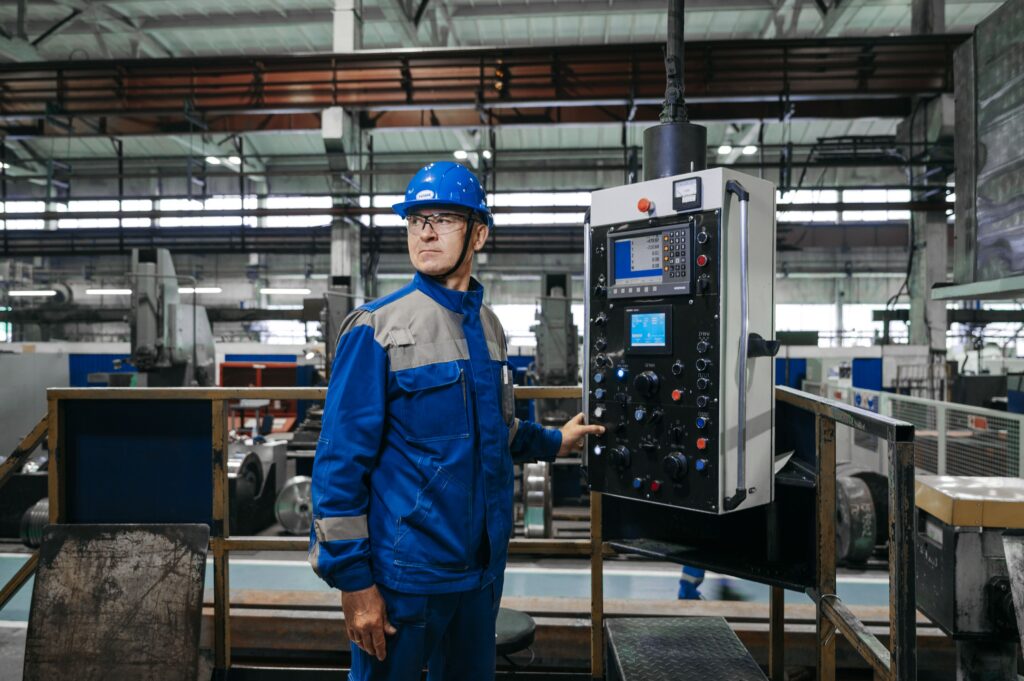
Today’s production floor doesn’t look the same as it did even five years ago.
New automation systems, robotics, quality standards, and software platforms continue to reshape manufacturing operations. Even experienced employees must regularly learn new equipment and adapt to changing processes.
Because change is constant, employers benefit from hiring people who are adaptable rather than simply experienced.
Someone who has spent years operating one specific machine may still require training when new technology is introduced. Meanwhile, a motivated employee with a strong work ethic may become proficient surprisingly quickly because they’re eager to learn.
The willingness to grow often becomes just as valuable as existing technical knowledge.
Culture Fit Drives Retention
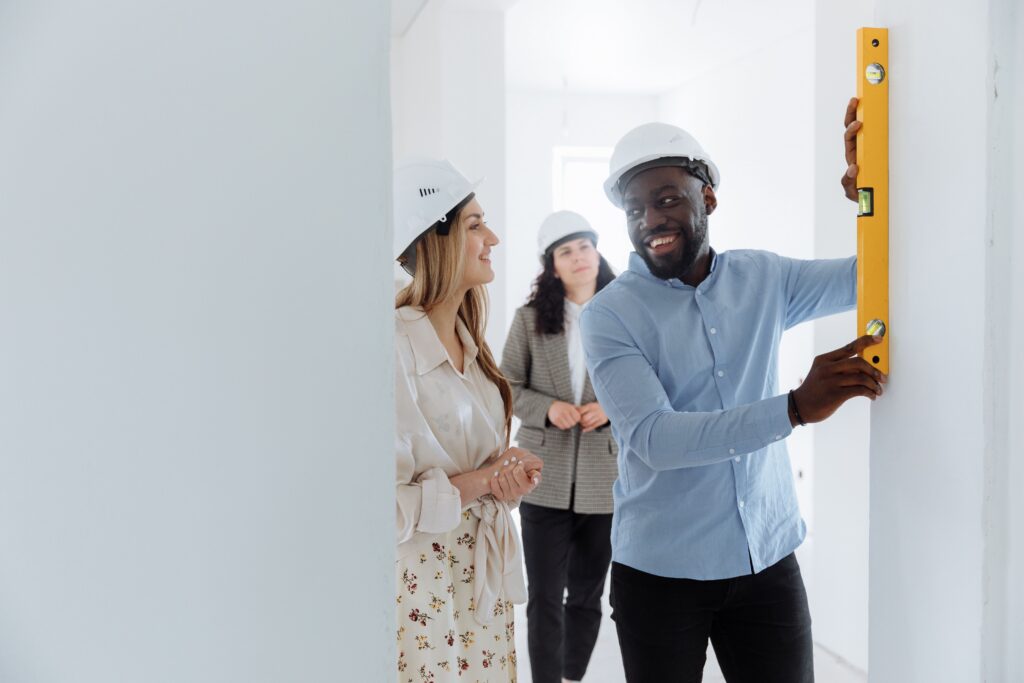
Hiring isn’t only about filling today’s opening. It’s about building tomorrow’s team.
Employees who align with a company’s values and culture are typically more engaged, communicate better, and contribute to a healthier work environment. They’re also more likely to stay with the organization.
High turnover is expensive. Every departure creates additional recruiting costs, lost productivity, overtime for existing employees, and time spent training replacements.
Finding someone who fits both the role and the organization helps reduce those costs while creating greater stability across the workforce.
Training Is an Investment, Not an Expense
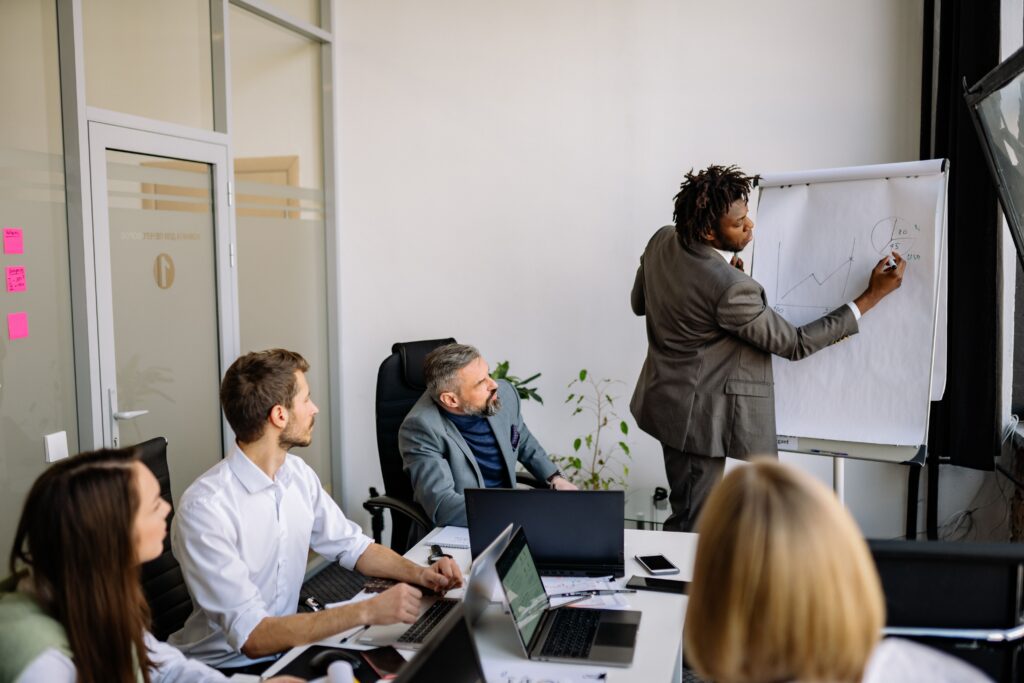
Some employers hesitate to hire candidates who don’t check every box because they worry about the cost of training.
In reality, training is often one of the best investments a company can make.
Employees who receive quality onboarding and mentorship tend to become more confident, productive, and loyal. They understand company expectations from the beginning and develop skills that match the organization’s specific processes rather than relying on habits developed elsewhere.
Rather than searching endlessly for the “perfect” candidate, many successful manufacturers build strong internal training programs that allow promising employees to grow into their roles.
Looking Beyond the Resume
A resume tells part of someone’s story, but it rarely tells the whole story.
Years of experience, certifications, and technical knowledge certainly matter, but they don’t reveal how someone solves problems, communicates under pressure, or works with a team.
That’s why conversations matter.
Learning what motivates a candidate, understanding their career goals, and evaluating how they’ll fit within an organization’s culture often provides insights that can’t be found on paper. Sometimes the best candidate isn’t the one with the longest resume. It’s the one who’s excited to contribute, willing to learn, and committed to building a long-term career.
How SCR Approaches Hiring
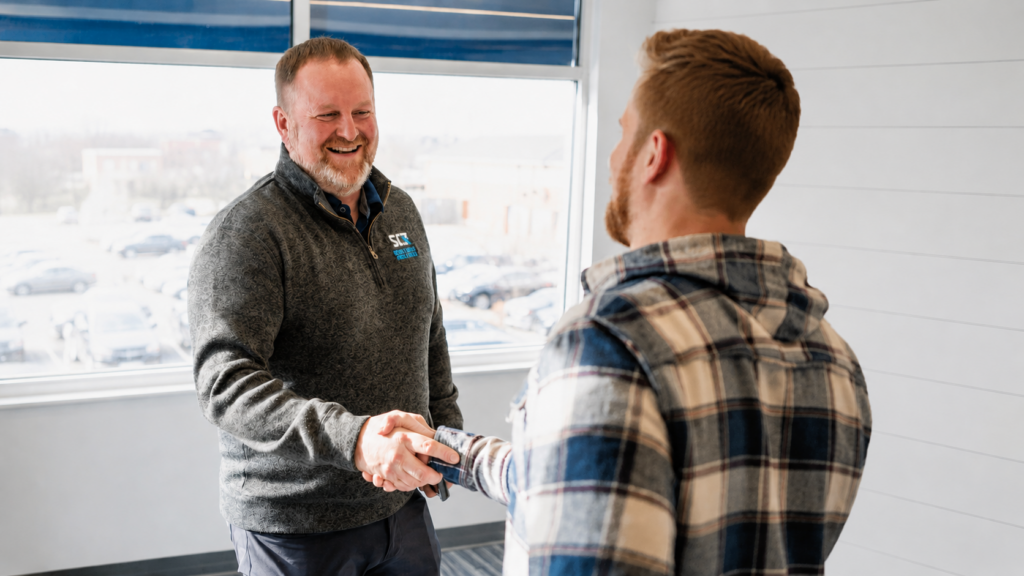
At Soap Creek Resources, we believe successful hiring starts with understanding both sides of the relationship.
We spend time learning about each client’s business, culture, and long-term goals before recommending candidates. Likewise, we take the time to understand each candidate’s strengths, interests, and career aspirations.
Technical qualifications are important, but they’re only part of the picture.
Our experience in manufacturing and engineering allows us to recognize candidates who not only have the ability to perform the work but also the attitude and mindset needed to thrive within an organization.
The result is stronger matches, better retention, and partnerships that last long after the hiring process is complete.
Building Stronger Teams for the Future
Manufacturing will continue to evolve, and so will the workforce.
The companies that remain successful won’t simply be the ones that hire the most experienced people. They’ll be the organizations that recognize potential, invest in training, and create environments where motivated employees can grow.
Hiring for attitude doesn’t mean lowering standards. It means recognizing that the qualities that make someone a great employee often extend far beyond technical skills alone.
When the right people are given the opportunity to learn, supported by strong leadership and meaningful training, everyone benefits: the employee, the employer, and the team as a whole.
If you’re looking to strengthen your manufacturing workforce or find employees who fit both the role and your company culture, Soap Creek Resources is here to help. We’d love to learn more about your team and help you build one that’s ready for whatever comes next.