Manufacturing has always required adaptability, but today’s workforce challenges have made flexibility more important than ever. Customer demand changes quickly, supply chains shift, and new projects begin with little notice while others slow unexpectedly. Skilled employees are harder to find than they used to be, and hiring the wrong person can be both costly and disruptive.
To keep pace, a lot of manufacturers are rethinking how they build their workforce. Instead of relying on one hiring method for every opening, they’re using flexible manufacturing staffing to respond to what the business actually needs right now.
This isn’t about replacing full-time employees. It’s about having more than one tool in the toolbox.
Manufacturing Doesn't Stand Still
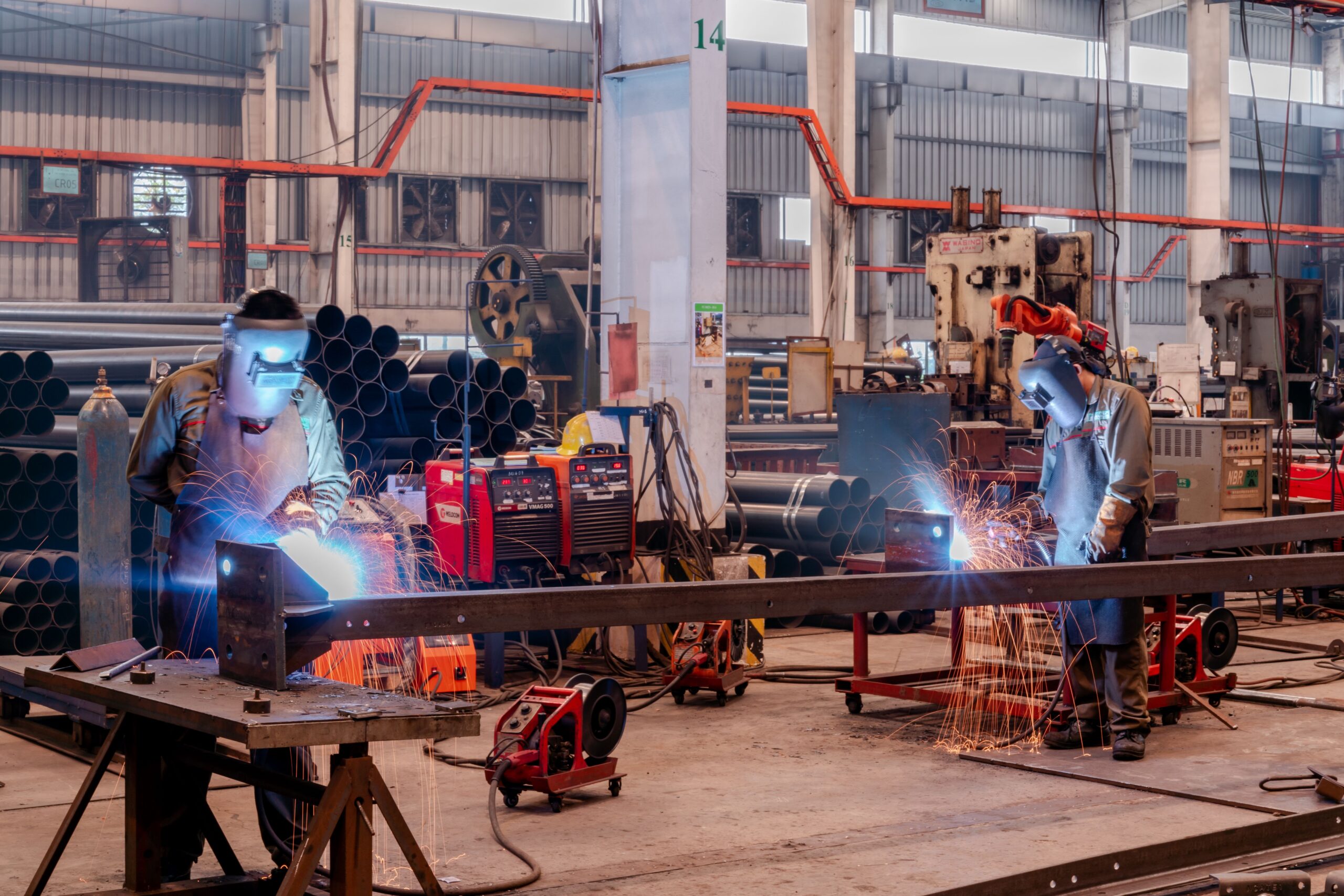
Few plants operate at the same pace year-round. A company lands a large contract and needs additional people for six months. Another hits a seasonal production increase, or needs specialized engineering support for a single project.
Hiring permanent employees for temporary needs isn’t always the right answer, and leaning on overtime to cover the gap has its own costs. Burnout, morale, and safety all suffer when a crew runs hot for too long.
Flexible staffing lets you scale to real demand while keeping productivity up and labor costs under control.
One Size Doesn't Fit Every Hiring Need

Every open position comes with different requirements. Some are critical long-term roles where finding the right permanent employee is the whole point. Others need coverage on the floor by Monday.
That’s why most manufacturers end up using a combination of approaches rather than treating every hire the same way.
Direct Placement
Best when: the role is long-term and the stakes of getting it wrong are high.
Leadership roles, experienced engineers, and core production positions usually call for direct placement. The goal isn’t just technical skill. It’s finding someone who fits your culture and wants to be there in five years. Investing more time upfront here almost always pays off in retention.
Contract Staffing
Best when: the need is real but the timeline has an end date.
Project work, product launches, and temporary demand spikes often call for engineers, technical specialists, or production employees without a long-term commitment attached. Contract staffing gets experienced people in the door and gives you room to adjust as the project evolves.
Temp-to-Hire
Best when: you want to reduce hiring risk on both sides.
Sometimes the best way to find out whether someone is the right fit is to work together first. Temp-to-hire gives both the employer and the employee a real look before anyone commits.
That matters more than it might sound. Recruiting, onboarding, and training a new employee is a significant investment, and when a hire doesn’t work out, you’re often starting the whole process over. Temp-to-hire lets you make that decision with information instead of a hunch.
Access to Specialized Talent
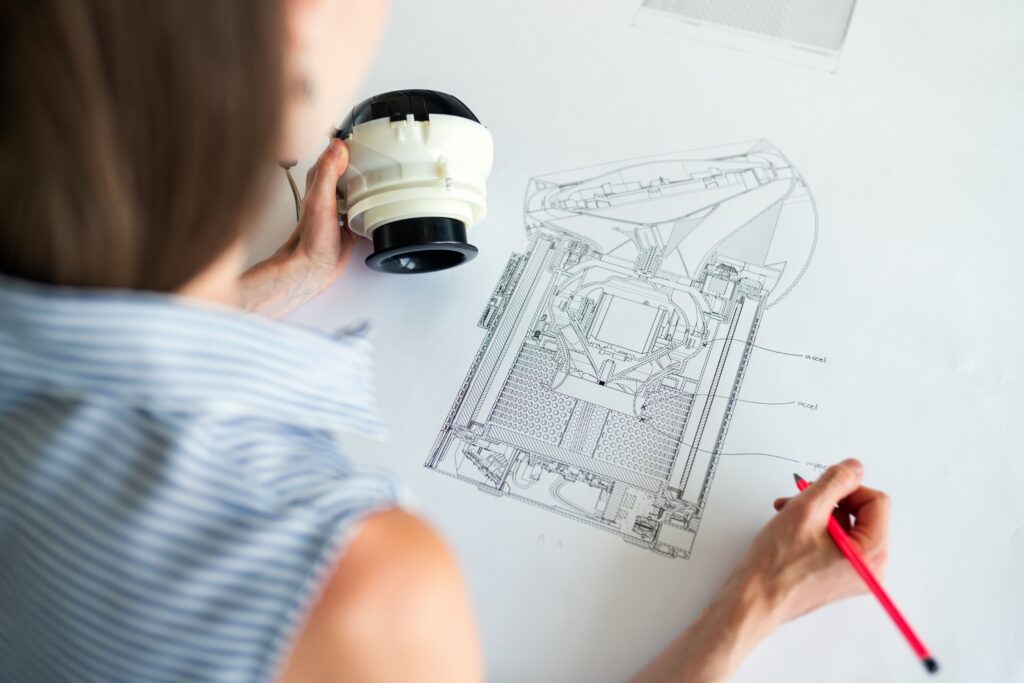
Modern manufacturing pulls on a wide range of expertise. Automation engineers, quality specialists, manufacturing engineers, CAD designers, project managers, operations leaders. Most companies need these skills at some point without needing them permanently.
Flexible staffing makes those people reachable when a project depends on them, so work moves forward instead of stalling or landing on an already stretched internal team. It also opens the door to talent you might not have found on your own.
That same flexibility supports growth, not just busy seasons. A company entering a new market or launching a product often starts with contract or temporary employees while the picture is still forming. As production stabilizes and demand becomes predictable, those roles frequently turn into permanent positions. You get a path forward without having to commit before you’re ready.
When Your Staffing Partner Also Has Engineers and a Shop Floor
Here’s where a lot of manufacturers find something they weren’t expecting.
Most staffing conversations start with a job requisition. But the need behind the requisition isn’t always a person. Sometimes a company needs a design reviewed, a drawing converted, a part reverse engineered, or a prototype in hand before they can even define the role they’re hiring for.
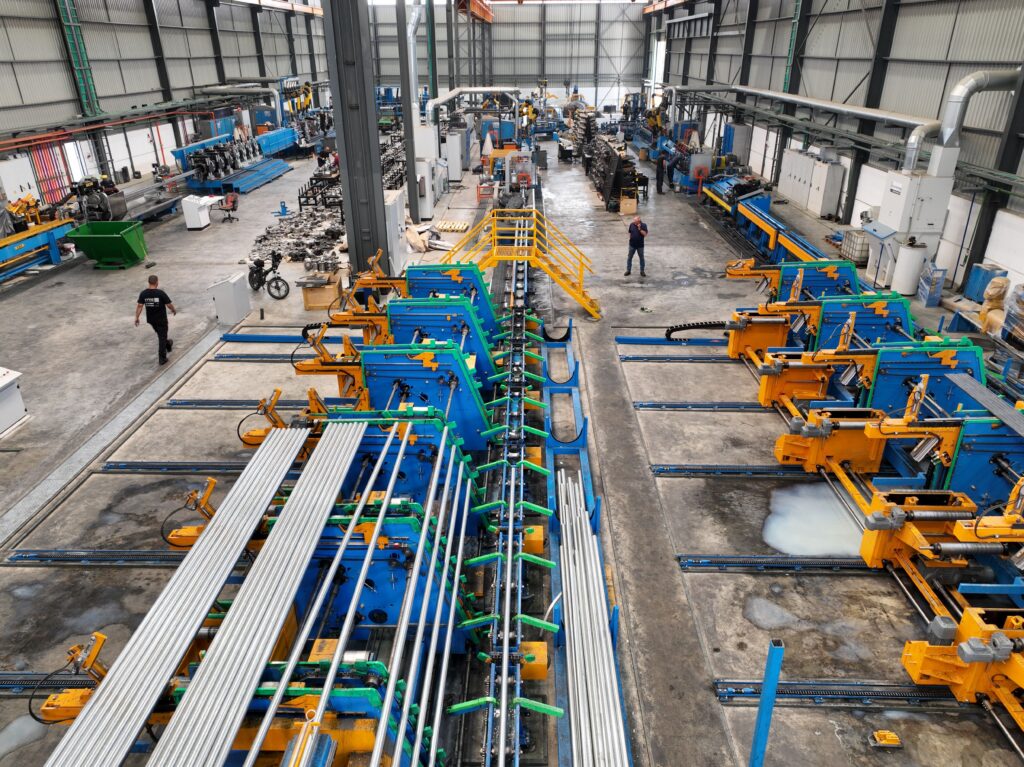
At Soap Creek Resources, staffing is one of three things we do under the same roof. We also provide engineering services and fabrication, which means the conversation doesn’t have to stop at “we’ll find you a candidate.” It can just as easily become “let’s take a look at the design,” or “let’s print a prototype and see how it fits.”
That changes what a staffing partner can actually do for you:
- A short-term engineering gap can be filled with a contract engineer, or handled directly by our engineering team, whichever makes more sense for the timeline and budget.
- A design that needs work before production can be modeled, checked, or run through FEA without adding another vendor to the project.
- A part that needs proving out can move from concept to prototype in our shop, using 3D printing, machining, welding, laser cutting, or powder coat.
- A hire you’re not ready to make doesn’t have to hold up the project while you decide.
We work with everyone from large corporations to individual inventors, and we can jump in at concept, development, validation, or production. Very few staffing partners can say that, because very few of them have engineers and a shop floor.
Finding the Right Staffing Partner

Flexible staffing works best when it’s built on a real relationship. A good partner understands more than a job description. They understand your production environment, your culture, and where the business is headed.
That knowledge is what allows a recruiter to recommend something that fits your operation instead of just filling a seat. The right partner becomes an extension of your team and helps you get ahead of workforce problems before they turn into production problems.
Our team brings more than 50 years of combined real-world experience in manufacturing, engineering, and fabrication. We’ve worked in these environments, which means we know the difference between filling an opening and building a team.
Melanie Van Maanen at Janco Industries put it this way:
“Soap Creek Resources has helped us recruit for both hourly positions and manager and director level roles. They bring us qualified candidates who fit our team.“
That range is the point. The same partner should be able to help with a second-shift operator and a director of operations, and know that those two searches call for different approaches.
Building a Workforce That Can Adapt
The manufacturers that thrive in today’s market aren’t simply the ones with the largest workforce. They’re the ones with the right workforce.
Flexible staffing allows companies to respond to changing production demands, support growth, reduce hiring risk, and access specialized expertise when it’s needed most.
Combined with thoughtful workforce planning and strong recruiting partnerships, it becomes a valuable strategy for building resilient, productive organizations.
If your business is navigating workforce challenges or preparing for future growth, Soap Creek Resources is ready to help. Together, we can build a staffing strategy that gives your business the flexibility to meet today’s needs while preparing for tomorrow’s opportunities.
Build a staffing strategy that covers today and leaves room for tomorrow, contact us today!